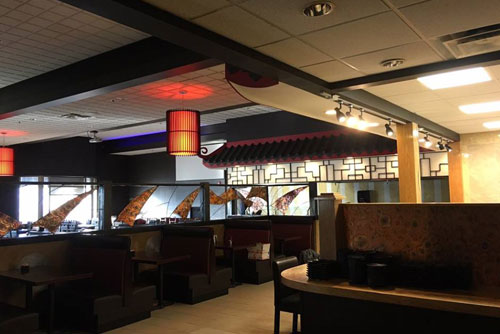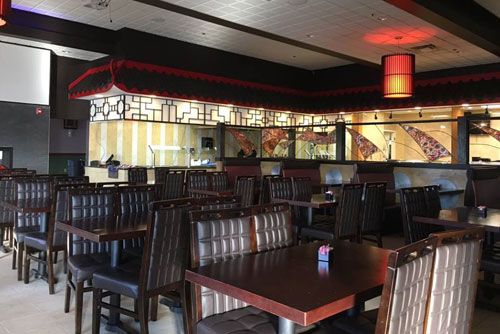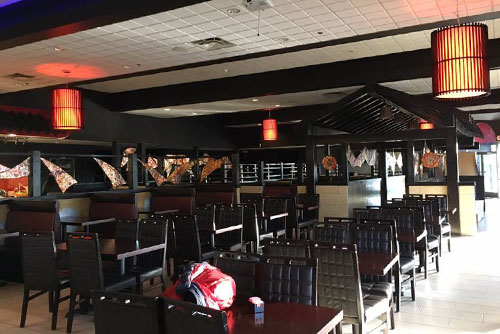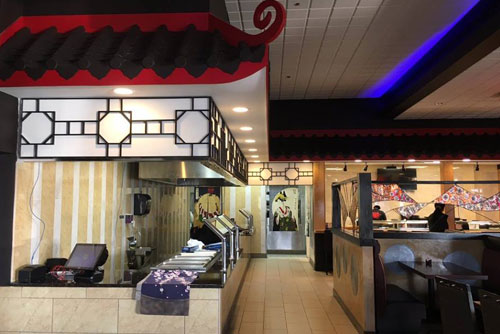
Okinawa Sushi & Bar in Plymouth, MN
- About
- Media & Gallery
- Promotions
No Online Offers
No Online Offers
No Online Offers
Okinawa Sushi & Bar in Plymouth, MN
Coupons to save on Food & Dining and Sushi Restaurants
All You Can Eat Sushi
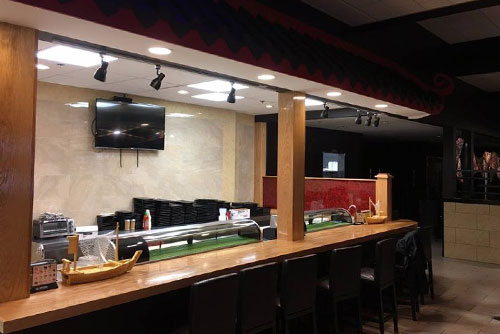
Okinawa Sushi & Bar is an authentic Japanese style sushi restaurant in Plymouth. We inherited the tradition of Japanese cuisine, at the same time we launched much selected menu from all typical and popular Japanese food, such as sushi, sashimi, maki roll, Japanese soup salad, Japanese ramen. All items are carefully selected from traditional Japanese food and American style of sushi and sashimi. In order to consider the different taste of American consumers, especially different taste of different age groups, we carefully selected the ingredient and sauce. The high quality material is the key for preparing fresh sushi. All our food raw material ordered from Asian food, Sysco Company, and our main chef is in charge of ordering in order to guarantee the high quality material.
Currently, our menu includes 8 big categories.
- Soup-salad & appetizer comes with wide range of fresh soup, salad and appetizers.
- Kitchen Entrée. Our kitchen entrees include teriyaki, don, traditional Japanese skewer, desserts
- Chef’s specials. 22 carefully selected items included the detailed ingredients; this part is the highly recommended items by our chef.
- Maki and hand Roll. If you like to taste the fresh seafood meat, you can order from Maki and hand roll.
- Sushi and Sashimi. Salmon is the very healthy meat among the all others, and our sashimi gives you exact experience of how to eat fresh salmon.
- All you can eat. All you can is the best deal in our restaurant. Not only, you can get discount for ordering all you can eat for two, at the same time you will explore all our items.
- Have you ever taste Japanese ramen? Japanese ramen is very unique with its fresh, nutritious soup. Currently, we are serving 9 different ramen in our ramen menu.
The Elementary Knowledge About Japanese Food
Japanese food is very differentiated from all other food , such as Chinese food, Indian food, American food and other. The way how to prepare, how to serve Japanese food are cultural things, such as how to choose material, how to control fire, how to balance the nutrition, and how to serve them to guests. The famous Japanese food blogger, Debika Pal, she described” A traditional Japanese meal is well balanced in many ways. Each meal showcases five colors, or some suitable variation of the five colors: black, white, yellow, green and red. Each meal incorporates small dishes made with different cooking techniques that may include simmering, braising, grilling, frying, steaming, and something raw or pickled. A complete meal has five flavors: sweet, salty, sour, bitter and savory or spicy. And equally significant is presentation and the inclusion of different textures that make the food visually and sensually appealing. Portions are small and the meal is nutritionally balanced.”
The Brief Introduction About Sushi
Sushi is a type of food preparation originating in Japan, consisting of cooked vinegared rice combined with other ingredients such as seafood, meat, vegetables and sometimes tropical fruits.
Ingredients and forms of sushi presentation vary widely, but the ingredient which all sushi have in common is rice (also referred to as shari (しゃり) or sumeshi (酢飯)). Although commonly mistaken for sushi, sashimi, which is also a Japanese delicacy, consists of thinly sliced raw meat or fish and may or may not be served with rice.
Sushi can be prepared with either brown or white rice. It is often prepared with raw seafood, but some common varieties of sushi use cooked ingredients and many are vegetarian. Sushi is often served with pickled ginger, wasabi, and soy sauce. Popular garnishes are often made using daikon.
Types of Sushi The common ingredient across all kinds of sushi is vinegared sushi rice. Variety arises from fillings, toppings, condiments, and preparation. Traditional versus contemporary methods of assembly may create very different results from very similar ingredients. In spelling sushi, its first letter s is replaced with z when a prefix is attached, as in nigirizushi, due to consonant mutation called rendaku in Japanese.
Western-style sushi The increasing popularity of sushi around the world has resulted in variations typically found in the Western world, but rarely in Japan (a notable exception to this is the use of salmon, which was introduced by Bjorn Eirik Olsen, a Norwegian businessman tasked with helping the Norwegian salmon industry sell more fish in the early 1980s. Such creations to suit the Western palate were initially fueled by the invention of the California roll (a norimaki with crab (later, imitation crab), cucumber, and avocado). A wide variety of popular rolls (norimaki and uramaki) has evolved since. Norway roll is another variant of uramakizushi filled with tamago (omelette), imitation crab and cucumber, rolled with shiso leaf and nori, topped with slices of Norwegian salmon, garnished with lemon and mayonnaise. Sourse: Wikipedia.com
Finally, we appreciate you dining with us, or look forward your welcome to our restaurant.
Hours
- LUNCH: Mon-Fri 11am-3pm
- DINNER: Mon-Fri 4pm-9:30pm
- Sat & Sun 11am-9:30pm